Commercial Roofing in the Great Southwest District
Warehouse-scale roofs, managed like assets.
One of the largest industrial districts in the country runs through Grand Prairie's north side, and its roofs are measured in acres. Hail does not skip them; management should not either.
Call (469) 350-4206
Building address and approximate square footage. A commercial roofer replies the same day.
Roof management at industrial scale
The corridor between SH 360 and the Dallas County line carries distribution centers, manufacturers, and flex space whose roofs run from fresh TPO to modified bitumen laid decades ago, with plenty of aging metal in between. At this scale a roof is a line item on a budget, and the difference between planned and reactive spending on it is enormous.
The same Dallas County hail that bruises shingle streets crushes insulation and fractures membranes up here, usually without immediate leaks. That is why the corridor's sharpest owners keep documented baselines: a current condition record turns the next hail event from an argument with a carrier into a comparison of dated photographs.

- Acres
- Warehouse and flex roofs at district scale
- Systems
- TPO, mod-bit, coatings, and aging metal
- Baseline
- Documented condition records that protect claims
Local facts reflect how the roofers approach a Great Southwest roof, not a performance claim.
A roof measured in acres cannot be read from the dock door, so after hail crosses the corridor a commercial roofer walks a Great Southwest roof section by section, while the evidence is still on the surface.
Commercial services for the corridor
Assessment first, then repair, restoration, or replacement priced as business decisions.
Roof Replacement
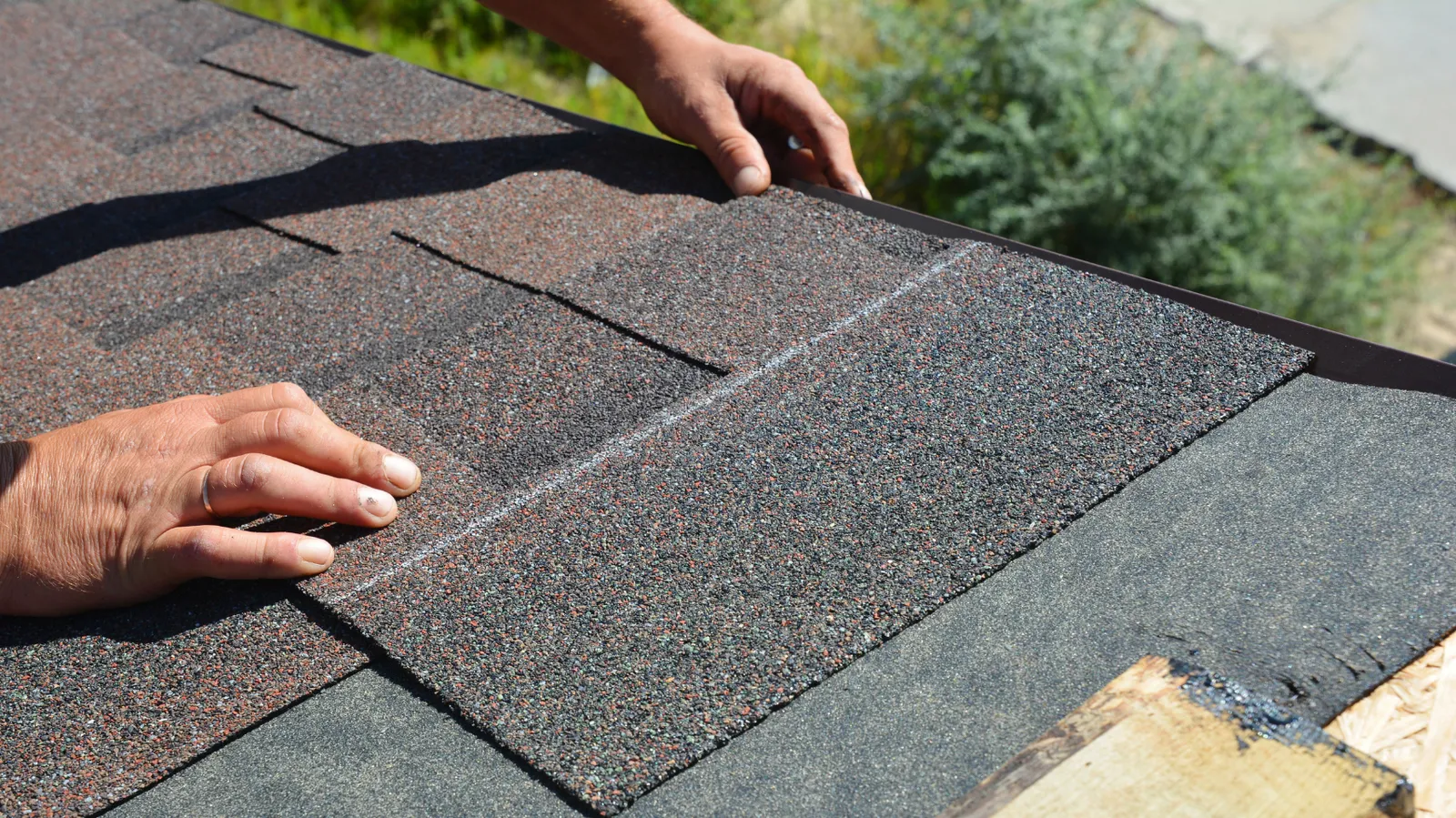
Tear-off to the deck, the wood checked and shown to you, then a complete system rebuilt to spec with the price fixed on paper first.
Roof Repair
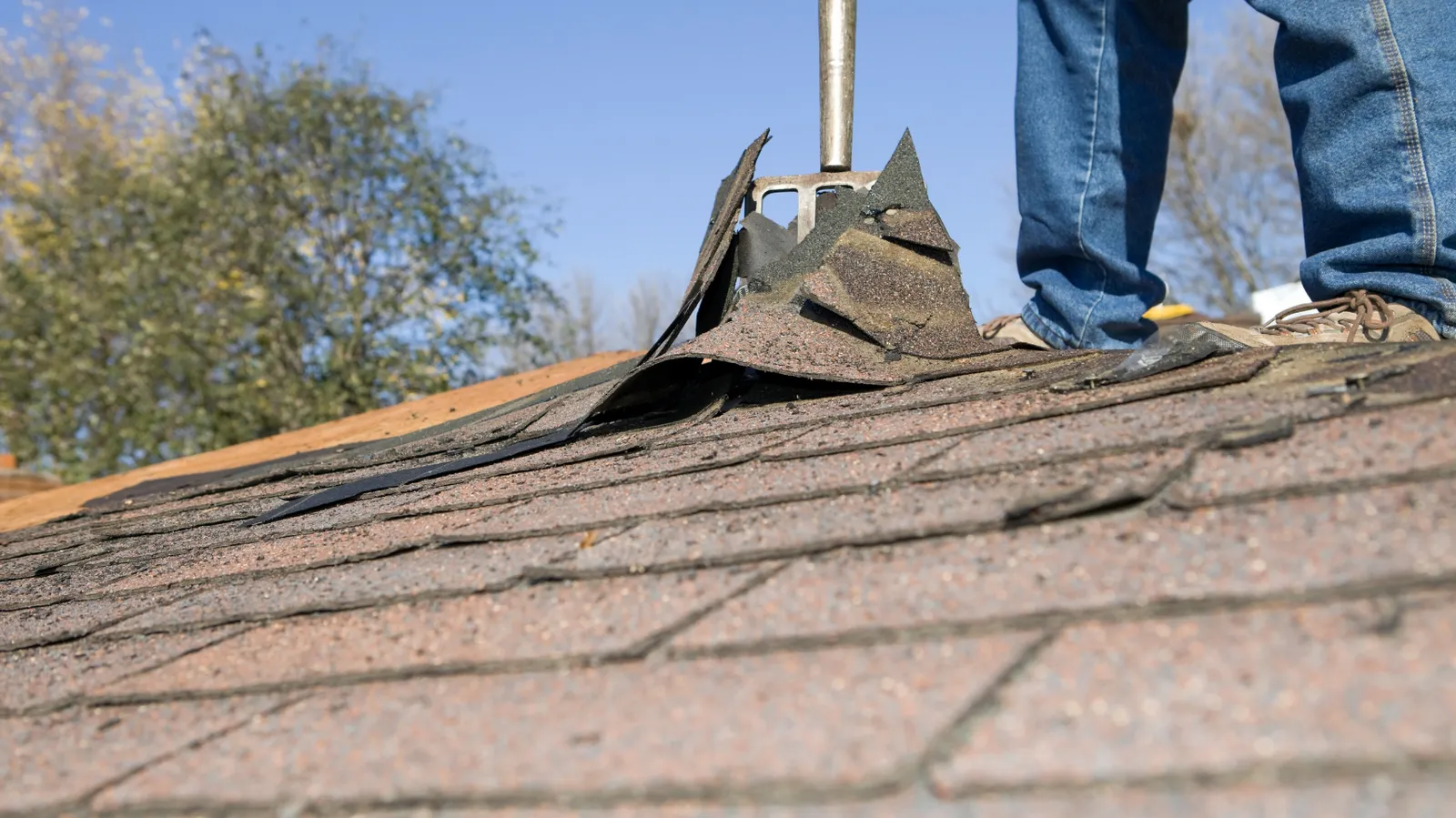
Leaks traced to where the water actually enters, fixed at the source, with photos of the repair and a verdict on the rest of the roof.
Hail & Storm Damage
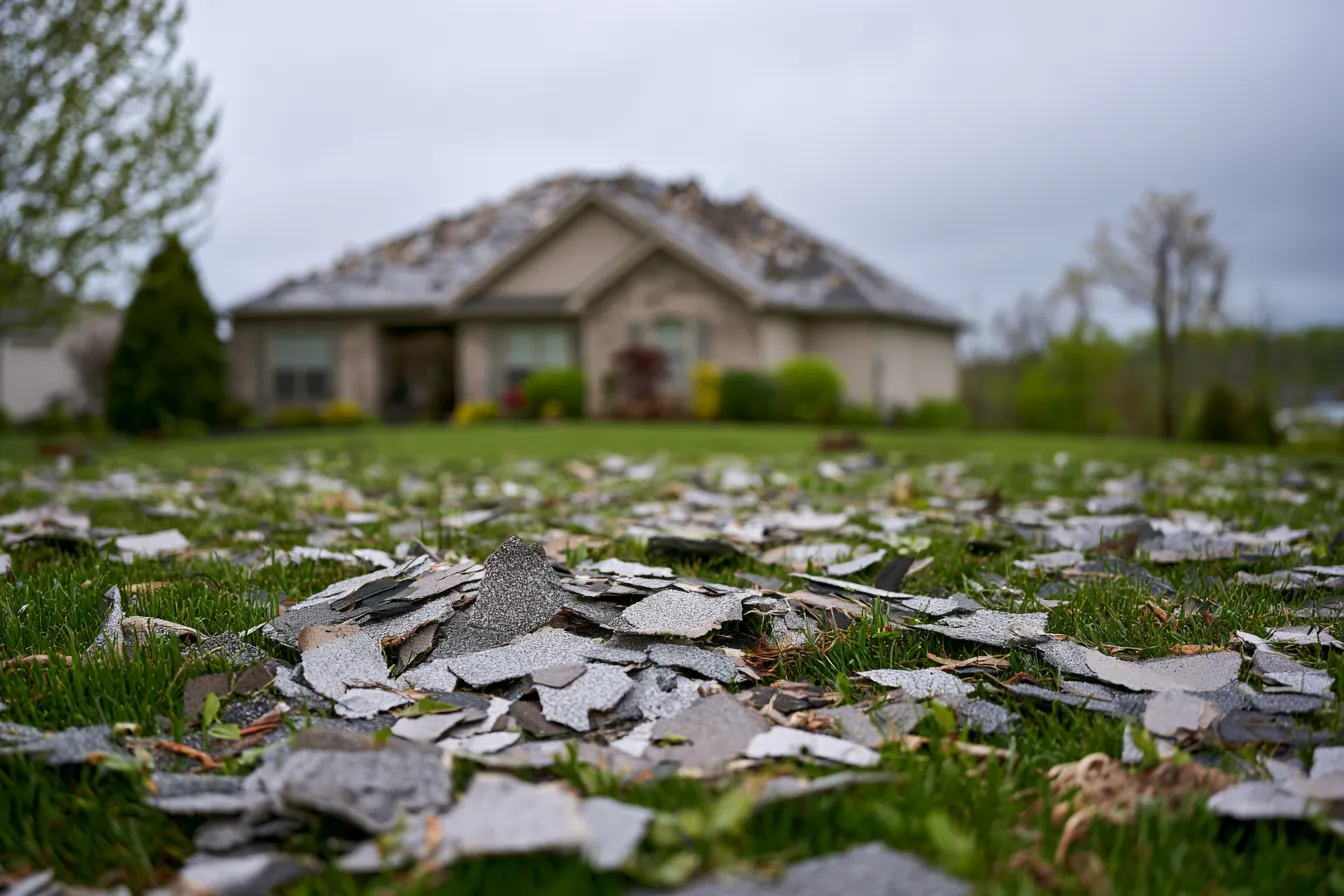
After a Dallas County hailstorm, the damage goes on the record in dated photos before you decide anything about a claim.

Roof Inspections
A free, documented look at every slope and valley that ends in photos and a plain verdict, yours to keep either way.
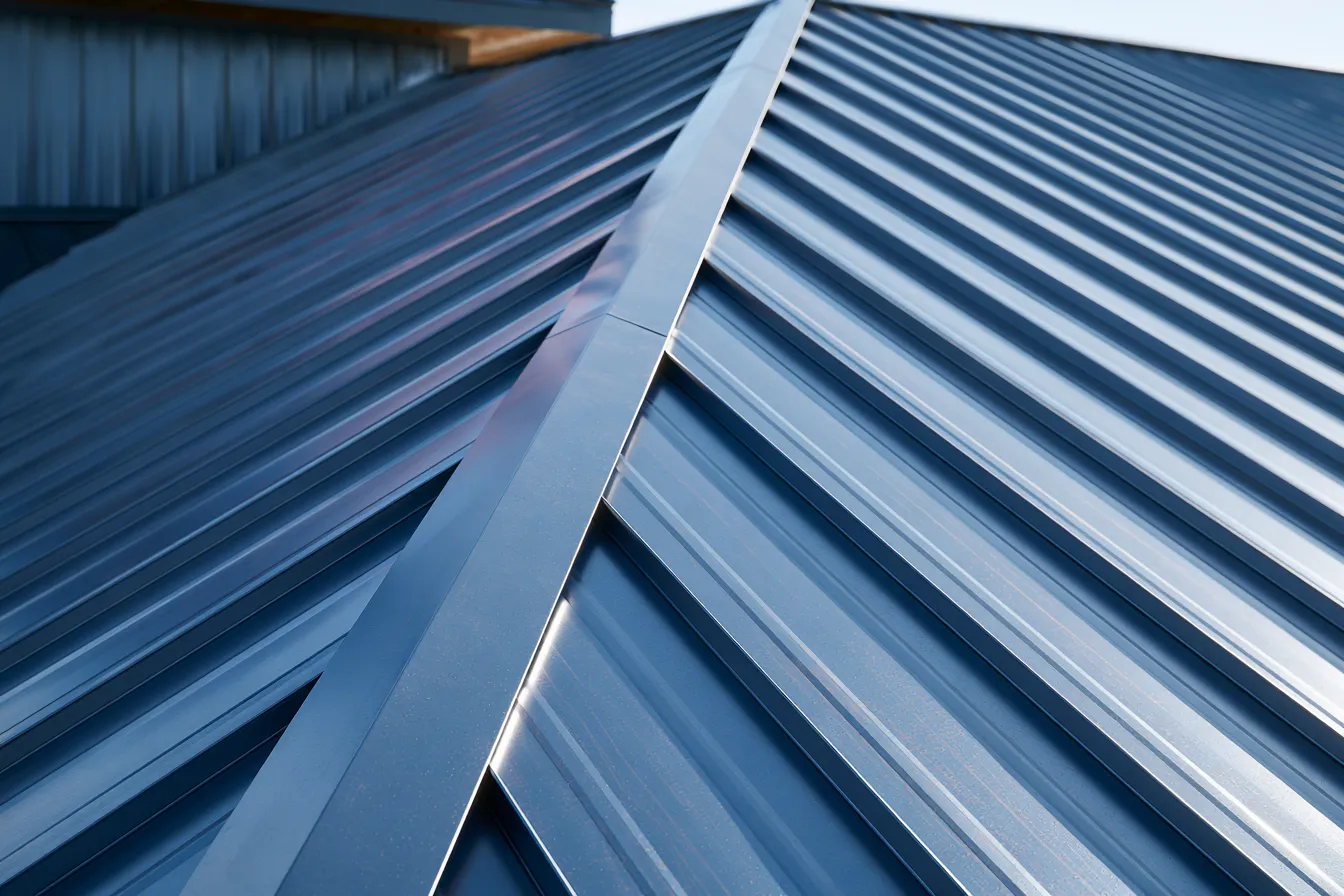
Metal Roofing
Standing-seam panels for homeowners done with shingles: decades of service life and real resistance to DFW wind.

Gutter Installation
Seamless gutters sized to the roof that feeds them, hung with enough fall to move a Texas downpour away from the slab.
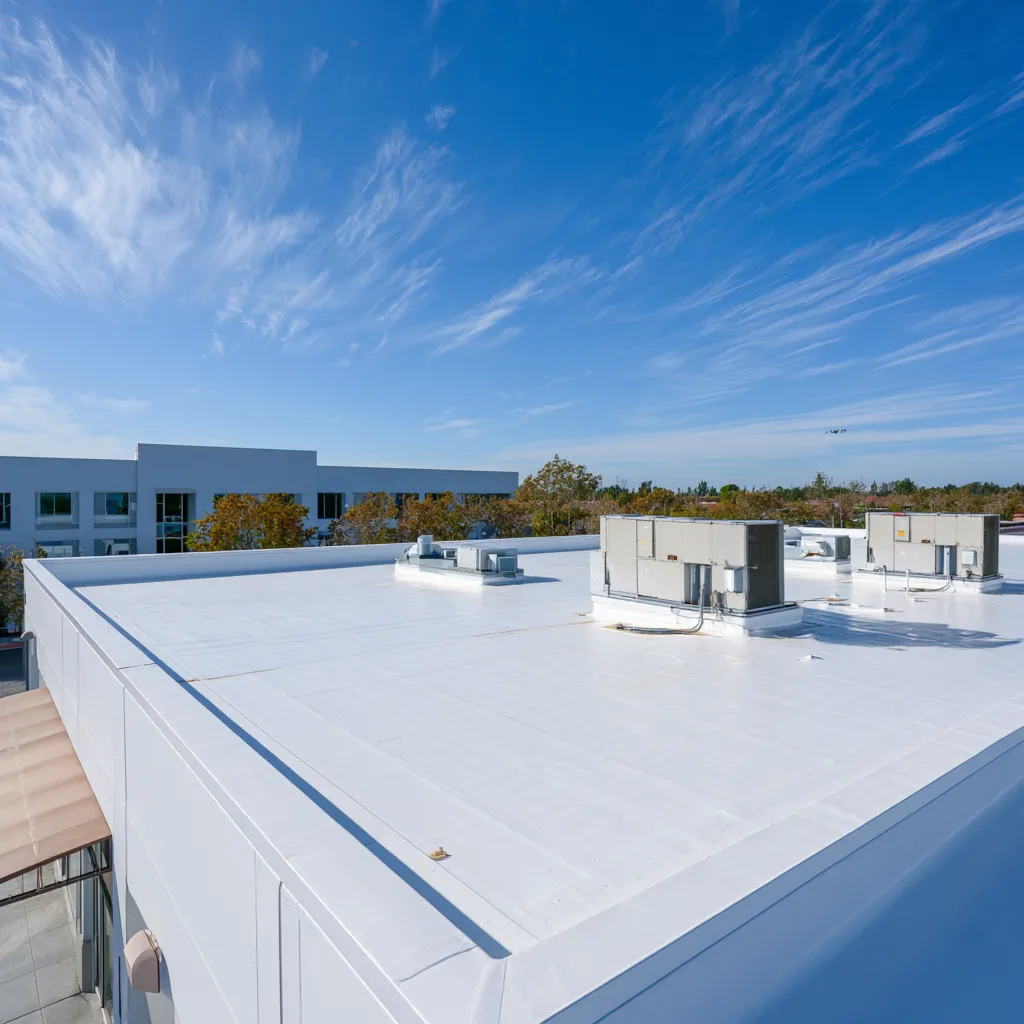
Commercial Roofing
TPO, modified bitumen, and coatings for Grand Prairie warehouses, shops, and offices, scoped in writing and staged around operations.
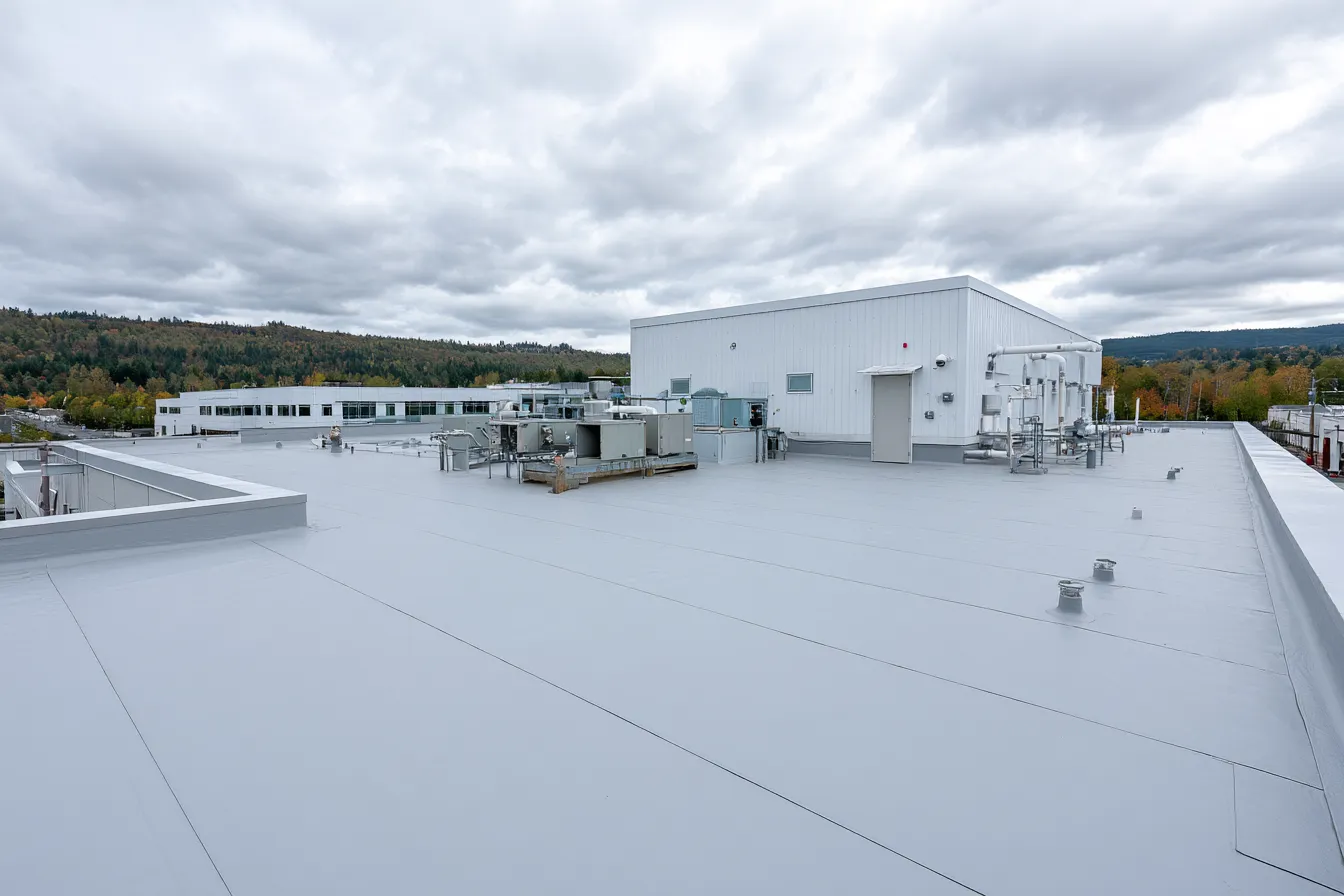
TPO & Single-Ply
District re-roofs get specified from core cuts and uplift requirements, then staged so the dock doors keep working.
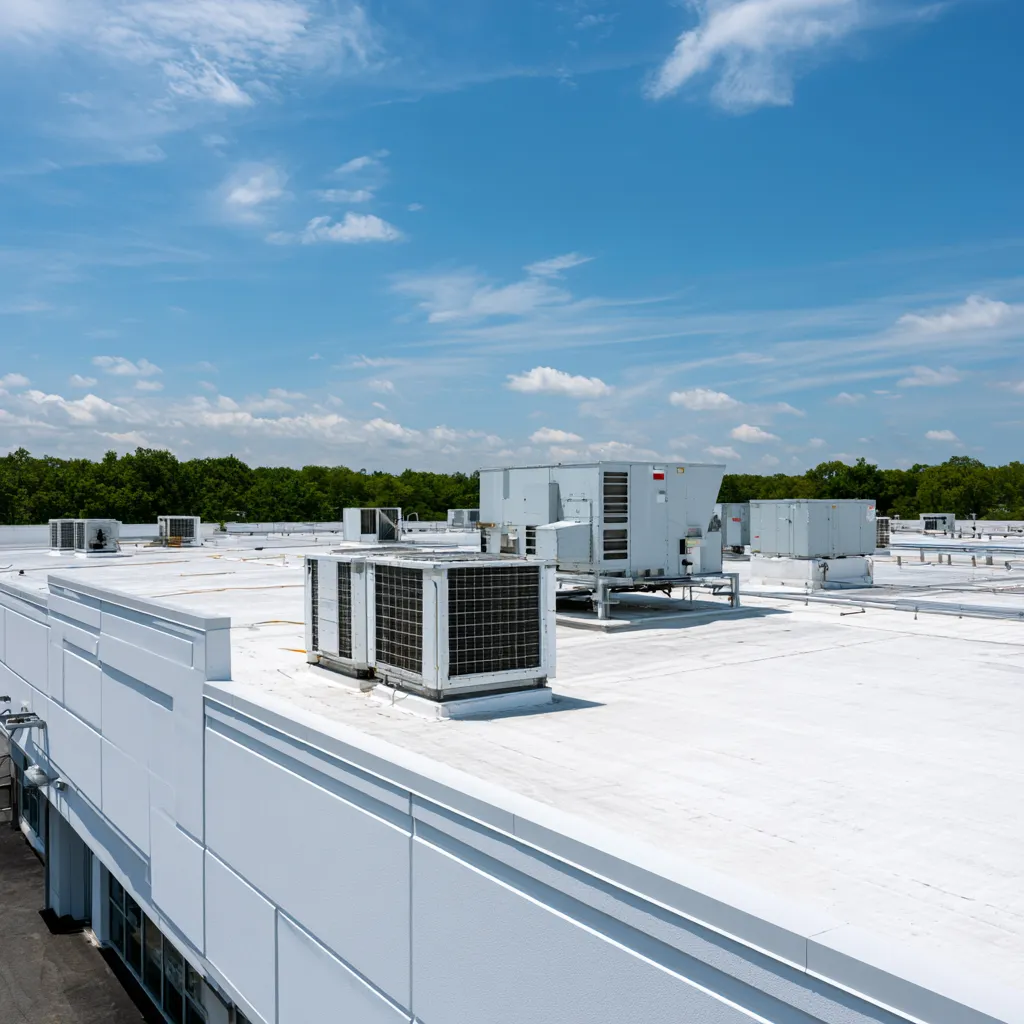
Flat Roof Repair & Coatings
On sound corridor membranes, qualified coatings defer capital tear-offs for years, documented thickness and all.
How district work is sequenced
Built for facility managers with budgets and tenants to answer to.
Document the Asset
Condition, moisture, and remaining service life get established in a report the building can budget against.
Options With Numbers
Repair, restore, and replace get priced against each other in writing, with expected service life attached to each.
Staged, Documented, Closed
Work proceeds in sections around operations, gets documented as it goes, and closes with warranties in the file.
Great Southwest district roofing questions
What corridor owners and facility managers ask.
Put the building's roof on a managed footing
A documented baseline, options with real numbers, and work staged around operations. The corridor's roofs are assets; this treats them that way.
Tell us where to reach you and a local roofer follows up the same day.
Or call (469) 350-4206