Flat Roof Repair & Coatings in Grand Prairie, TX
Restoration where the evidence supports it.
A tired membrane is not automatically a dead one. Where the substrate is dry and adhered, repairs plus a fluid-applied coating can add a decade for a fraction of replacement cost.
Call (469) 350-4206
Building address and roof age if known. A commercial roofer follows up the same day.
Repair and restoration, qualified by evidence
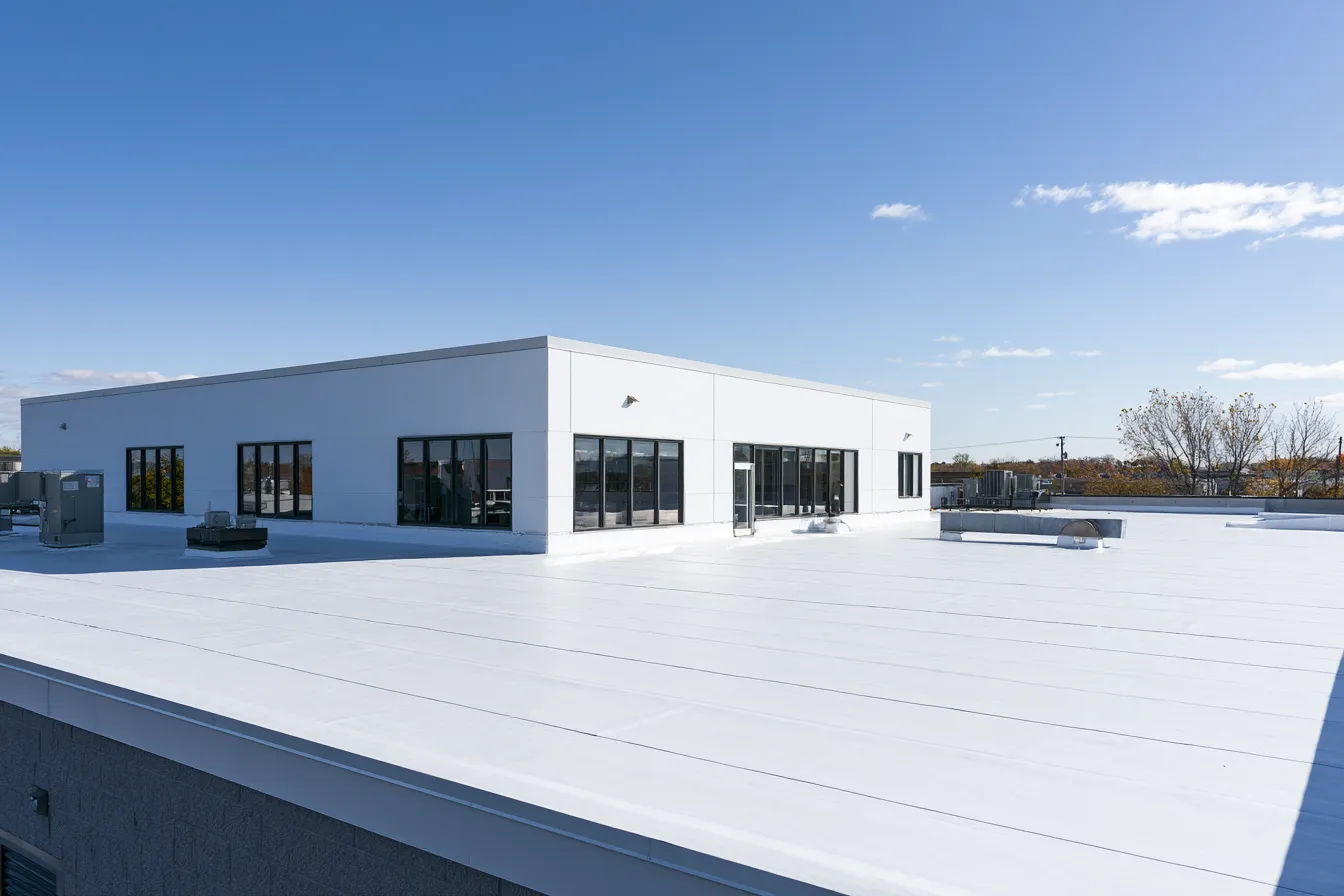
Coatings have a mixed reputation because they get sold indiscriminately. Sprayed over a wet roof, a coating is an expensive way to hide a problem; applied to a sound, dry membrane after real repairs, it is legitimate asset management that Grand Prairie owners use to push replacement years down the road.
Qualification is the whole game. Moisture readings and core cuts establish whether the roof is a candidate; seams, penetrations, and ponding areas get repaired first; then silicone or acrylic goes on at measured thickness with the manufacturer's coverage rates documented. Ponding-prone roofs get silicone specifically, since acrylics break down under standing water. If the evidence says the roof is past restoring, you hear that instead, with the replacement math beside it.
Signs a flat roof wants attention now
Caught early, most of these stay in repair territory:
- Ponding water still standing 48 hours after a rain
- Seams lifting, fishmouthing, or showing exposed fastener rows
- Alligatored or chalking surface on an older modified or built-up roof
- Interior stains that migrate with wind direction during storms
- Energy bills creeping as a dark, aged surface soaks up more heat
Ceiling stains lag roof failures by months on commercial decks; by the time one shows, the moisture survey is overdue, not optional.
What restoration work includes
Repair first, coat second, document throughout.
Restoration is also the budget bridge: it can carry a roof to a planned replacement date instead of an emergency one.
Moisture survey and qualification
Readings and core cuts establish the roof is dry enough to restore, the step that separates restoration from malpractice.
Targeted repairs
Seams re-welded or stripped in, penetrations reflashed, ponding areas addressed, so the coating goes over a sound roof.
Coating at measured thickness
Silicone or acrylic applied at the manufacturer's specified mil thickness, with coverage documented section by section.
Warranty and maintenance file
The coating warranty, the application records, and a simple maintenance plan land in the building's file at closeout.
The restoration sequence
A qualified roof goes from tired to warrantied in days, not weeks.
Survey and Verdict
Moisture readings and cores decide restore versus replace, and you see the evidence either way.
Fix What Fails First
Seams, flashings, and ponding zones get corrected so the coating seals a working roof, not a failing one.
Measured Application
The system goes on at documented thickness, and the warranty paperwork closes out the file.
Coating and flat-repair questions
What owners ask before choosing restoration over replacement.
Find out if restoration qualifies
A moisture survey and a straight verdict: restore for a fraction of the cost, or replace with a plan. Either way you decide from evidence.
Tell us where to reach you and a local roofer follows up the same day.
Or call (469) 350-4206