
Brown shingle roof over a two-story stone and siding home
Two promises, two signatures

Roofing Warranties in Grand Prairie, TX, Explained

Know which paper answers before something goes wrong.

Every roof carries two different promises from two different parties: the manufacturer stands behind the shingle, and the roofer stands behind the installation. Confusing them is how coverage disappoints.

Get a roof backed on paperNo obligation

Ask anything about coverage at the free inspection. Same-day follow-up.

Warranties, untangled

Which promise answers for which problem

When a Grand Prairie roof fails early, the cause is nearly always one of two things: the material was defective, which is rare, or the installation cut a corner, which is not. The manufacturer warranty answers only for the first. Everything about nailing, flashing, sealing, and ventilation lives under the roofer's workmanship warranty, which is why that document, its length, and who stands behind it deserve more attention than the shingle brochure.

The two also interact: manufacturers can deny material claims on roofs installed outside their specifications, so a spec-correct install is what keeps both promises alive at once. Both belong in your hands, in writing, before work starts.
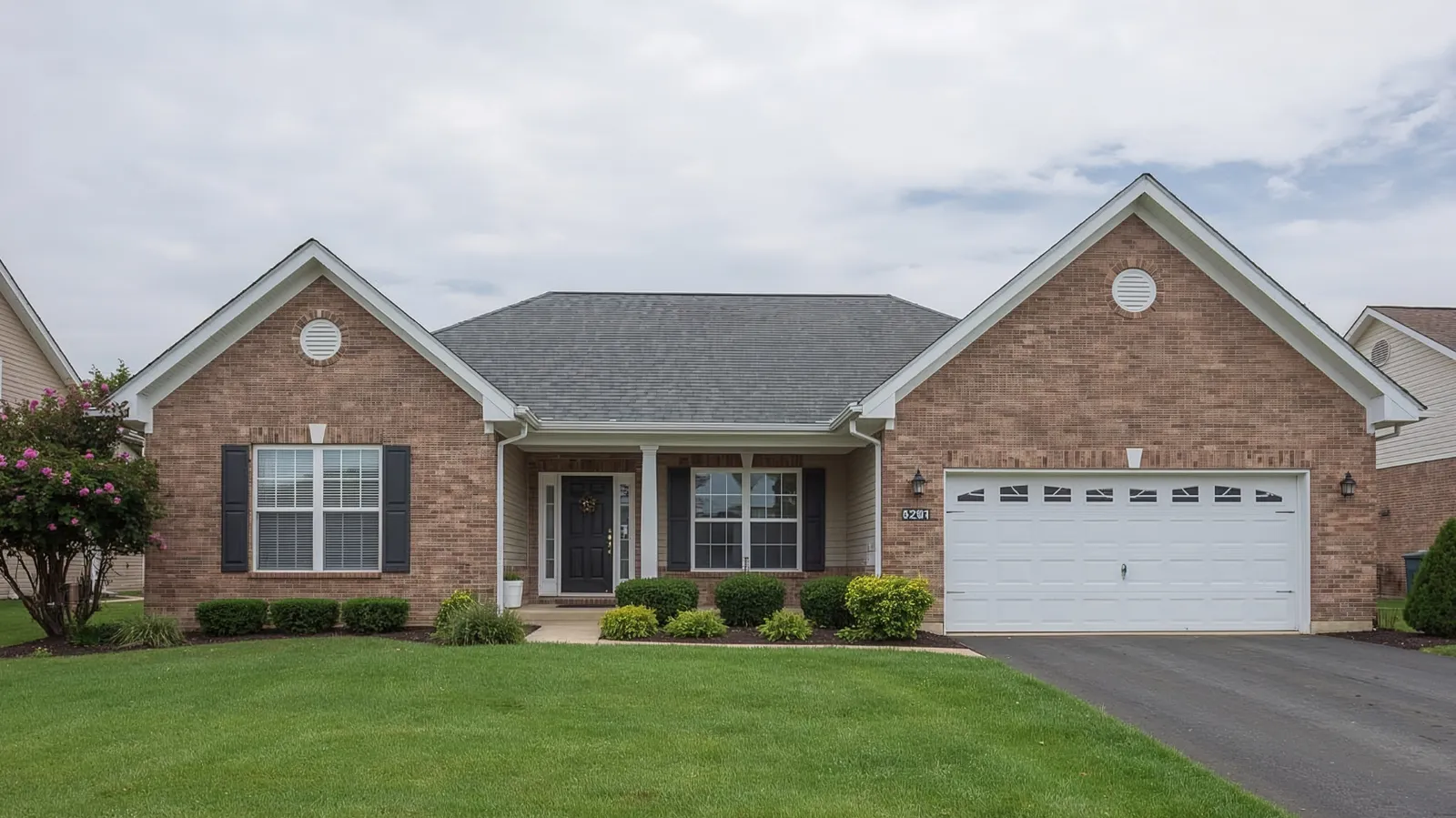
Gray asphalt shingle roof and white garage door on a brick ranch home
Coverage at a glance

The two coverages, side by side

What each promise actually answers for.

Workmanship warrantyManufacturer warranty
Covers
The installation: flashing, fastening, sealing, ventilation
The material: manufacturing defects in the product
Backed by
The roofer who built your roof
The shingle or system maker
Typical term
Set per job by the roofer, in writing
Long product terms, conditions attached
A leak from a bad install
Covered here, and only here
Excluded; not a product defect
Hail or wind damage
Not covered; that is insurance

Exact terms ride on the roof, the products, and the roofer; the honest constant is that both documents exist before work begins.

What you get in writing

What lands on paper before any work starts

Storm country rewards paperwork. Here is what a Grand Prairie homeowner holds in hand before a single shingle is ordered.

A documented inspection, freeDated photos of every slope, valley, and flashing line, plus a plain verdict, at no charge and with no strings.
One written figureThe scope and the price on one page, set before the work is scheduled, so the number you approve is the number you pay.
The workmanship promiseLabor coverage in writing from the roofer who builds it, with the terms spelled out before you sign anything.
A spec-correct installMaterials put down the way the manufacturer requires, so the product warranty holds up when you need it.
What to watch for

How coverage quietly dies

The ways homeowners lose warranties without ever being told:

  • An install that ignored the manufacturer's spec, voiding material coverage from day one
  • Ventilation left unbalanced when the warranty's fine print requires it
  • A later trade, satellite installer, or pressure washer damaging the field
  • Skipping a required product registration window after installation
  • Losing the paperwork, which in practice loses the coverage with it

The pattern is plain: most dead warranties trace back to the install or the file drawer. A spec-correct replacement with organized paperwork protects both.

Warranty questions, answered plainly

What Grand Prairie homeowners ask about roof coverage.

Three things: what failure types it names, how long it runs, and how reachable the roofer behind it is. A modest term honored by a responsive local roofer beats a long term from an outfit that stops answering. Get it in writing before the contract is signed, and keep it with the deck photos.
No, they divide cleanly: warranties answer for defects and workmanship, insurance answers for events like hail and wind. A storm-damaged roof is a claim matter, whatever the warranty papers say.
Real, and narrower than the number suggests: terms typically prorate after an initial period, cover the material only, and require registration and a spec-correct install. Treat the number as marketing and the conditions as the contract, because they are.
The manufacturer coverage survives if the product was registered and installed to spec; the workmanship promise, practically speaking, went with the company. It is a strong argument for established local roofers and for keeping every document from the job.
The written scope and price, the workmanship warranty, the manufacturer registration confirmation, and the photo record including the decking. That file protects the warranty, the next insurance conversation, and the eventual home sale all at once.
Promises, on paper

Get a roof whose coverage you can actually read

A local roofer installs to spec, writes the workmanship promise down, and leaves you a file that means something in year eight. That is the whole trick.

Get a free roof inspectionNo obligation

Tell us where to reach you and a local roofer follows up the same day.

A free inspection with the photos and a clear written number

Workmanship put in writing before the work starts

A local roofer who follows up fast

Free Roof Estimate